
실업률·고용지표가 경기 흐름을 보여주는 이유
고용지표, 왜 중요할까요?
뉴스에서 경제 상황을 전할 때 빠지지 않고 등장하는 수치가 있습니다.
바로 실업률, 고용률, 신규 일자리 수 같은 고용지표입니다.
이 수치는 단순한 통계가 아니라, 경제의 현재 상태와 향후 흐름을 보여주는 핵심 지표입니다.
1. 실업률이란 무엇인가?
- 정의: 구직 의사가 있으나 일자리를 얻지 못한 인구(실업자)를 경제활동인구로 나눈 값.실업률=실업자취업자 + 실업자×100\text{실업률} = \frac{\text{실업자}}{\text{취업자 + 실업자}} \times 100
- 의의: 소비지출과 세수입, 복지비용을 동시에 좌우하므로 경기 민감도가 높다.
2. 대표 고용지표 한눈에 보기
| 고용률 | 15세 이상 인구 대비 취업자 비중 | 장기 구조적 추세 확인 |
| 경제활동참가율 | 취업+실업 인구 비중 | 숨은 실업(구직 포기자) 감지 |
| 비농업 신규고용(NFP) | 미국 기준, 한 달 새 증가한 일자리 수 | 15~20만 명 ↑면 확장 국면 시사 |
| 주간 신규 실업수당 청구 | 해고 동향을 빠르게 포착 | 30만 건 이하면 고용시장 탄탄 |
| 평균 시간당 임금 | 임금 인플레이션 압력 지표 | 3‧6개월 연율 > 4 %면 금리 인상 압력 |
3. 왜 고용이 경기의 ‘후행+선행’ 지표가 될까?
- 후행 속성: 기업은 수요 변화를 확인 후 인력 조정 → GDP 변동 뒤에 실업률 변화.
- 선행 역할: 가계 소득·소비전망을 결정 → 소매판매·설비투자에 선행.
- 오쿤의 법칙: 실업률 1 %p 증가는 잠재 GDP 대비 약 2 % 생산갭을 의미.
4. 숨은 실업과 질적 요소까지 봐야 하는 이유
- U-3 vs U-6(미국): U-6은 단시간 취업·구직 단념자를 포함해 ‘체감 실업’을 보여 준다.
- 부분실업: 시간제·임시직 비율이 늘면 경기 회복세를 과대평가할 수 있다.
- 산업·지역 편차: IT·서비스 고용이 늘어도 제조업 침체면 특정 지역 경기 부진 지속.
5. 투자·정책에 어떻게 활용할까?
- 금융시장: 실업률 하락 → 임금·물가 상승 우려 → 국채 금리·달러 강세.
- 주식 섹터 로테이션: 고용 호조 시 소비재·산업재, 고용 둔화 시 필수소비재·채권형 자산 비중 확대.
- 정책 대응: 실업률 급등 → 확장적 재정·완화적 통화, 과열 → 기준금리 인상·재정 긴축.
6. 결론
고용지표는 가계 지갑과 기업 매출을 동시에 비춰 주는 ‘경기 거울’이다. 표면적 실업률만으로는 부족하므로 고용률·참가율·임금까지 종합해야 정확한 맥을 짚을 수 있다. 월간 고용보고서 헤드라인 뒤의 질적 변화를 읽을 때, 투자·사업·정책 판단의 오차를 크게 줄일 수 있다.
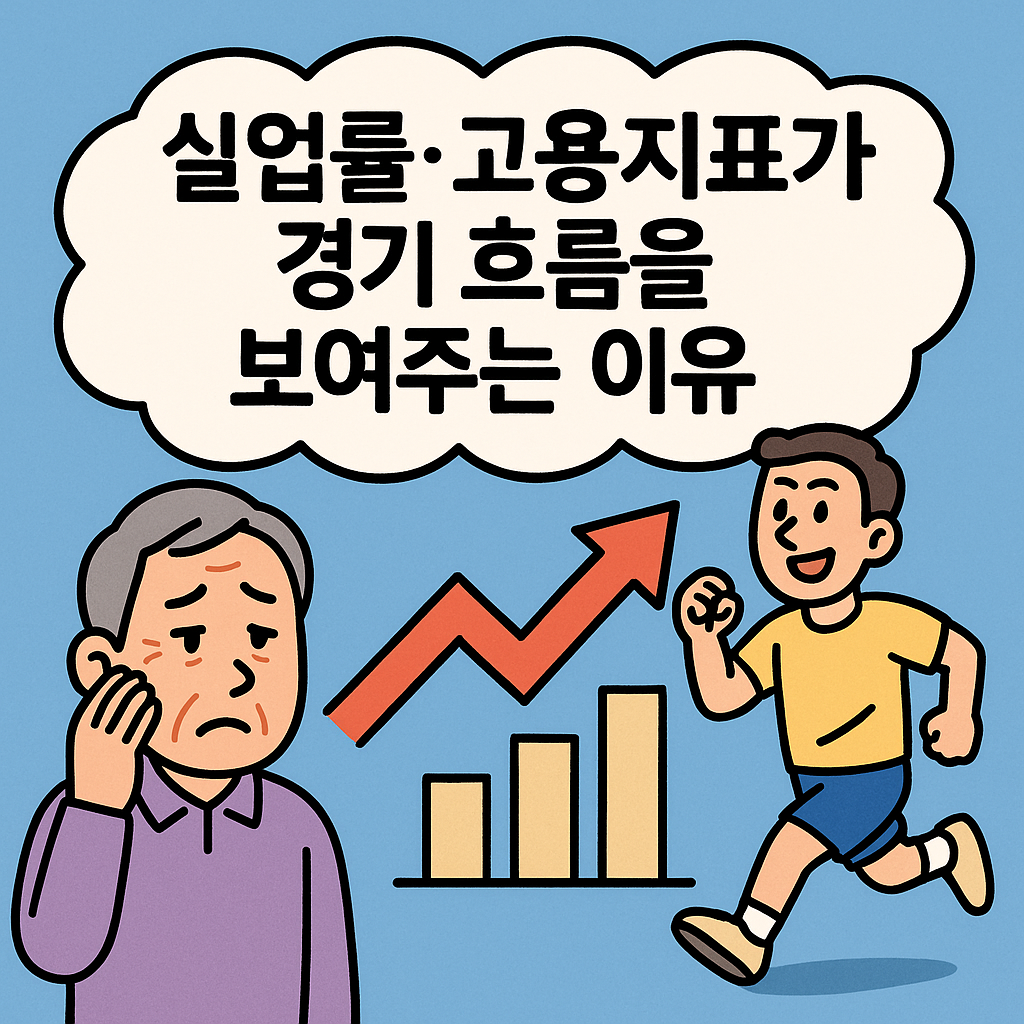
Why Unemployment and Employment Data Reflect the Economy
Why Are Employment Indicators So Important?
Every time the news talks about the economy, key statistics like unemployment rate and job creation are mentioned.
These aren’t just numbers—they’re powerful indicators of the economy's current state and future direction.
1. What Is the Unemployment Rate?
It measures job-seekers without work as a share of the labor force:
Unemployment Rate=UnemployedEmployed + Unemployed×100\text{Unemployment Rate} = \frac{\text{Unemployed}}{\text{Employed + Unemployed}} \times 100
Because it affects consumer spending, taxes, and welfare, it is highly cyclical.
2. Key Employment Indicators
| Employment Rate | Employed as % of population 15+ | Tracks long-term structural change |
| Labor Force Participation | Share working or job-hunting | Detects discouraged workers |
| Nonfarm Payrolls (NFP) | Monthly net job gains (US) | 150–200k+ rise suggests expansion |
| Weekly Jobless Claims | New unemployment-benefit filings | <300k ≈ tight labor market |
| Average Hourly Earnings | Wage inflation gauge | 4 %+ annualized pace may spur rate hikes |
3. Why Jobs Data Are Both Lagging & Leading
- Lagging: Firms adjust headcount after verifying demand—jobs follow GDP moves.
- Leading: Income expectations from job growth drive retail sales and capex.
- Okun’s Law: A 1-percentage-point rise in unemployment implies roughly a 2 % output gap.
4. Mind the Hidden Slack
- U-3 vs U-6 (US): U-6 adds underemployed and discouraged workers for “real” unemployment.
- Underemployment: More part-time gigs can mask weak recovery.
- Sector & Region Gaps: Tech hiring can’t offset regional manufacturing layoffs.
5. How to Use Jobs Data
- Markets: Falling jobless rate → wage & price pressure → higher bond yields, stronger currency.
- Equity Rotation: Strong jobs → cyclicals; weak jobs → defensives, bond-proxies.
- Policy: Job spikes → fiscal stimulus & dovish central bank; overheating → tightening.
6. Conclusion
Employment metrics mirror both household wallets and corporate revenues. Reading beyond headline unemployment—to participation, wage growth, and sector detail—gives a sharper picture of where the business cycle is headed and cuts errors in investment, business, and policy decisions.