반응형

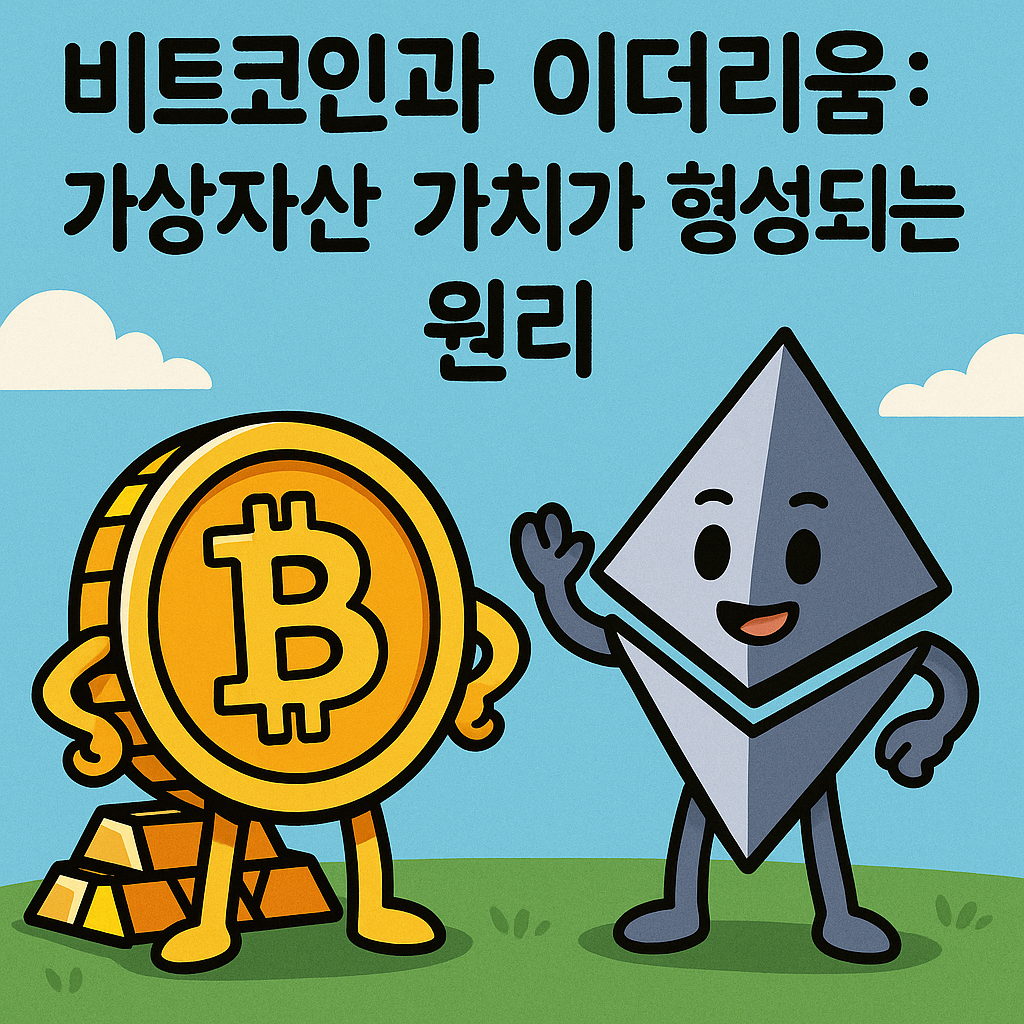
비트코인과 이더리움: 가상자산 가치가 형성되는 원리
가상자산, 단순 투기일까?
비트코인(Bitcoin)과 이더리움(Ethereum)은 대표적인 가상자산(암호화폐)입니다.
이들의 가치는 단순한 투기 수단이 아니라,
희소성, 기술적 가치, 시장 수요 등에 의해 결정됩니다.
“코인이 금을 대체한다? 혹은 인터넷의 연료?”
비트코인(BTC)과 이더리움(ETH)은 발행 메커니즘, 수요 구조, 네트워크 효과가 다르기에 가치의 근거도 달라집니다.
1. 희소성과 공급 모델
요소비트코인이더리움
| 총발행량 | 2 100만 개 제한 | 이론상 무제한(연간 순증 0–2 %) |
| 발행 방식 | 작업증명(PoW) 채굴 · 4년마다 ‘반감기’ | 지분증명(PoS) 스테이킹 보상 |
| 희소성 요인 | 고정 상한 + 반감 → 인플레이션 ↓ | EIP-1559 수수료 소각으로 공급-축소 효과 |
핵심 : BTC = 디지털 금처럼 공급이 예측 가능, ETH = 플랫폼 토큰으로 ‘소각 vs 스테이킹’이 공급을 조절.
2. 수요를 결정하는 사용처
- 비트코인
- 가치 저장(SoV) : 인플레이션 헷지·탈중앙 안전자산.
- 대체 결제 : 엘살바도르 법정통화 채택 등.
- 이더리움
- 가스(Gas) 토큰 : 스마트 컨트랙트 실행 수수료.
- 디파이·NFT : 담보·결제·수수료로 ETH 수요 급증.
- 레이어2 : 롤업 수수료, 메인넷 소각량 증가.
3. 네트워크 효과 & 보안 비용
- 비트코인 해시레이트 : 보안 수준↑ → 투자 신뢰↑.
- 이더리움 TVL(예치 자산) : 앱·사용자↑ → 가스 소각↑ → 희소성↑.
- 메트칼프 법칙(N²)―노드·유저 수가 커질수록 토큰당 가치 기하급수 상승.
4. 외생 변수
변수BTC 영향ETH 영향
| 규제 | 국가별 금지·ETF 승인 → 직접 영향 | 증권성 논쟁 · 스마트 컨트랙트 책임 |
| 거시경제 | 달러 약세·인플레 ↑ → 안전자산 수요 | 리스크온 장세·VC 투자 증가 |
| 기술 업그레이드 | Taproot(프라이버시) | Shanghai 업그레이드(스테이킹 출금) |
5. 투자 포인트 & 리스크
구분매력주의사항
| BTC | 공급 상한·ETF 시장 유입 | 에너지 사용, 속도 제한 |
| ETH | 플랫폼 성장·소각 기제 | 경쟁체인·수수료 급등 |
6. 체크리스트
- 공급 모델(고정/변동)과 소각 정책 확인
- 네트워크 지표: 해시레이트·TVL·활성 주소 추적
- 규제·업그레이드 일정 모니터링
- 장기 보관 시 콜드월렛 사용
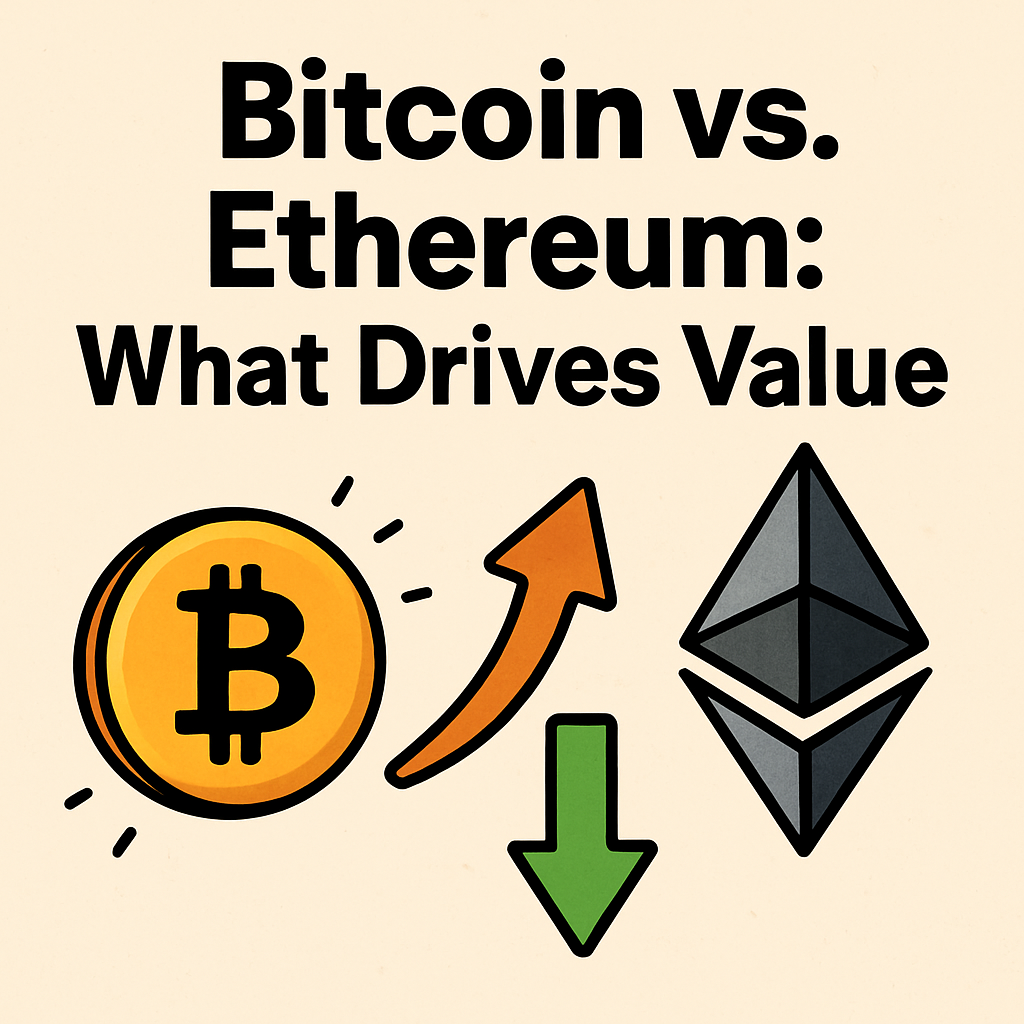
Bitcoin and Ethereum: How Cryptocurrency Value Is Created
Are Cryptocurrencies Just Speculative Bubbles?
Bitcoin and Ethereum are leading cryptocurrencies.
Their value is not purely speculative; it is based on
scarcity, technological value, and market demand.
“Digital gold or the internet’s fuel?”
Supply mechanics, utility demand, and network effects differ for BTC and ETH, leading to distinct value drivers.
1. Scarcity & Supply Design
AspectBitcoinEthereum
| Max Supply | 21 M hard cap | No cap (net +0-2 %/yr) |
| Issuance | PoW mining, 4-yr halvings | PoS staking rewards |
| Scarcity Levers | Fixed cap + halving ↓ inflation | EIP-1559 burn offsets new ETH |
Takeaway: BTC ≈ digital gold, predictable scarcity; ETH = platform token, burn-and-stake modulates supply.
2. Demand Drivers
- Bitcoin
- Store of value vs. inflation & capital controls.
- Alternative payments (e.g., El Salvador legal tender).
- Ethereum
- Gas token for smart-contract fees.
- DeFi & NFTs—collateral, settlement, gas usage.
- Layer-2 rollups feed back gas burn to mainnet.
3. Network Effects & Security Cost
- BTC hash rate ↑ → stronger security → investor trust.
- ETH Total Value Locked (TVL) ↑ → more apps/users → higher burn → extra scarcity.
- Metcalfe’s law—value ∝ network².
4. External Catalysts
FactorBTCETH
| Regulation | bans vs. ETF approvals | security-token debate |
| Macro | weak USD, high CPI → SoV demand | risk-on cycles aid funding |
| Tech Upgrades | Taproot | Shanghai (staking withdrawals) |
5. Investment Angle & Risks
TokenEdgeRisks
| BTC | Hard-capped supply, rising ETF flow | Energy debate, slow TPS |
| ETH | Platform growth, burn mechanics | Rival chains, fee spikes |
6. Quick Checklist
- Supply rules & burn-rate trends
- Network stats: hash rate, TVL, active addresses
- Watch regulatory & upgrade timelines
- Use cold storage for long-term holding
반응형