
파생상품(선물·옵션) 기초 개념과 위험 관리 <!-- SEO: 파생상품, 선물, 옵션, 위험 관리, 파생상품 투자, 헤지 전략 -->
1. 파생상품이란?
파생상품(derivative)은 주식·원자재·환율·금리 등 기초 자산의 미래 가격을 기반으로 가치가 결정되는 계약형 금융상품이다. 대표 유형은 선물(Futures) 과 옵션(Options) 이며, 레버리지·헷지·가격 발견 등 다양한 목적으로 활용된다.
왜 중요한가?
- 변동성 관리: 가격 급등락에 대비한 헷지 수단
- 레버리지 효과: 적은 자본으로 큰 노출을 얻어 수익 확대 가능
- 시장 유동성: 현물시장 가격 결정 과정에 기여
2. 선물(Futures) 이해하기
| 정의 | 특정 자산을 미리 정한 가격에 미래 일정일에 매수·매도하겠다는 의무 계약 |
| 거래 장소 | CME, ICE, 한국거래소 등 표준화된 거래소 |
| 필수 개념 | • 증거금(마진): 계약 체결 시 예치하는 보증금 • 일일 정산(Mark-to-Market): 매일 손익을 계좌에 반영 |
| 활용 | ① 곡물·원유 생산자 : 가격 하락 위험 헷지 ② 투기 트레이더 : 소액 증거금으로 방향성 베팅 |
3. 옵션(Options) 이해하기
| 권리 | 일정 가격에 살 수 있는 권리 | 일정 가격에 팔 수 있는 권리 |
| 프리미엄 | 권리 취득 대가로 매수자가 지급 | 동일 |
| 손익 구조 | 상승 시 무한 이익, 하락 시 손실은 프리미엄 한정 | 하락 시 무한 이익(이론상), 상승 시 손실은 프리미엄 한정 |
| 전략 예시 | 커버드 콜, 콜 스프레드 | 프로텍티브 풋, 풋 스프레드 |
옵션의 핵심은 권리행사 선택권과 손실 한정이다. 이를 활용해 변동성 매매(스트래들)·위험보호(프로텍티브 풋) 등 복합 전략을 설계할 수 있다.

4. 파생상품 장단점
장점
- 정교한 리스크 관리: 현물 포지션과 반대 포지션으로 손실 상쇄
- 자본 효율성: 보증금만으로 큰 계약 규모 거래
- 양방향 수익 기회: 상승·하락 모두 대응 전략 가능
단점
- 급격한 손실 위험: 레버리지로 손실도 확대
- 마진콜·강제청산: 증거금 부족 시 자동 정리
- 복잡성: 가격 평가(기초자산·만기·변동성·금리 등) 이해 필수
5. 위험 관리 4대 원칙
- 적정 포지션 크기 설정
- 투자 자본 대비 노출(레버리지) 비율을 사전에 규정
- 손절·익절 자동화
- Stop-Loss·Take-Profit 주문으로 감정 배제
- 헷지 조합 구축
- 예) 보유 주식 하락 방어 → 지수 풋 옵션 매수
- 리스크 지표 모니터링
- 변동성지수(VIX), 마진 비율, 경제 이벤트 캘린더 상시 체크
6. 결론
선물과 옵션은 고수익·고위험이 공존하는 칼날이다. 구조·가격 결정 메커니즘을 이해하고, 규율 있는 위험 관리 전략을 병행해야만 파생상품을 투기가 아닌 전략적 헷지와 자산 배분 도구로 활용할 수 있다.
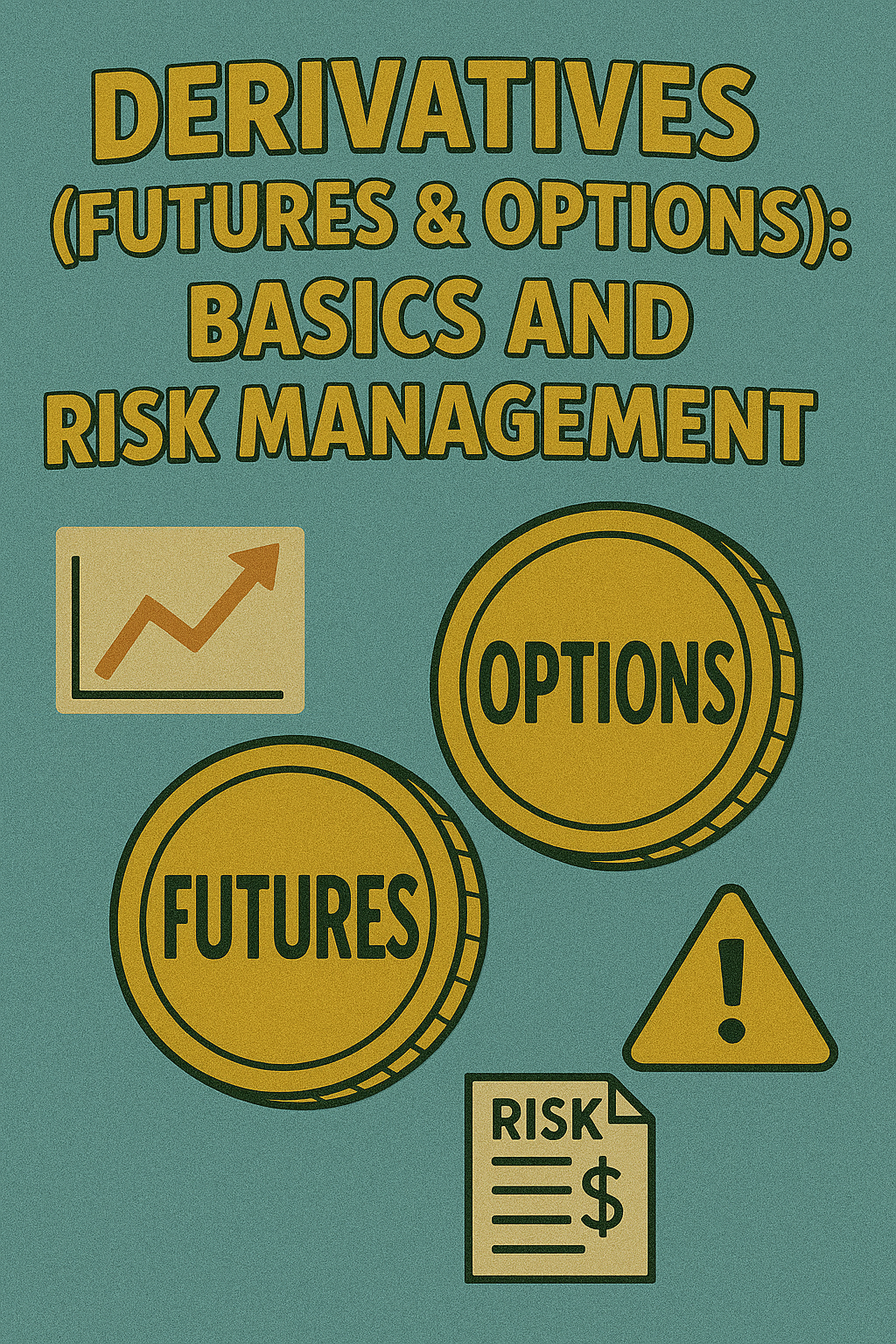
Derivatives (Futures & Options): Basics and Risk Management <!-- SEO: derivatives basics, futures, options, risk management, hedging strategies -->
1. What Are Derivatives?
Derivatives are contracts whose value derives from the future price of an underlying asset such as stocks, commodities, currencies, or interest rates. The main types are Futures and Options, used for leverage, hedging, and price discovery.
2. Understanding Futures
| Definition | Obligation to buy or sell an asset at a fixed price on a future date |
| Venue | Standardized exchanges (CME, ICE, KRX) |
| Key Concepts | • Margin deposit • Mark-to-Market daily settlement |
| Use Cases | ① Producers hedging price risk ② Traders speculating with leverage |
3. Understanding Options
| Right | Buy at strike price | Sell at strike price |
| Premium | Paid by holder | Paid by holder |
| Pay-off | Unlimited upside, limited loss (premium) | Gains on downside, loss limited to premium |
| Strategies | Covered Call, Call Spread | Protective Put, Put Spread |
Options’ asymmetric payoff enables volatility trades and precise hedges.
4. Pros and Cons
Pros
- Risk Hedging for currency, rates, commodities
- Leverage for higher return on capital
- Two-Way Opportunities in rising or falling markets
Cons
- Amplified Losses if direction is wrong
- Margin Calls may force liquidation
- Complex Valuation requires deep understanding
5. Four Core Risk-Management Rules
- Size Positions Wisely relative to capital
- Automate Stops & Targets to remove emotion
- Build Hedging Combos (e.g., index puts against stock portfolio)
- Monitor Risk Metrics like VIX, margin ratios, macro events
6. Conclusion
Derivatives offer powerful tools for both opportunity and protection. Mastering contract mechanics and enforcing strict risk controls turns futures and options from speculative traps into strategic allies within a diversified portfolio.
'경제' 카테고리의 다른 글
| 금·원유·곡물 가격은 왜 출렁일까? 원자재 시장 변동 요인 완벽 분석 (15) | 2025.05.07 |
|---|---|
| 리스크를 기회로 바꾸는 기술, 헤지펀드 3대 전략 심층 분석 (15) | 2025.05.07 |
| 토큰 발행, 뭐가 다를까? ICO·STO·IEO 한 번에 이해하기! (24) | 2025.05.06 |
| 시드? 시리즈A? 벤처캐피털 투자의 모든 단계 한눈에 이해하기 (18) | 2025.05.06 |
| 매출도 없는데 100억? 스타트업 기업가치의 진짜 계산법! (19) | 2025.05.06 |