
글로벌 공급망: 반도체 쇼티지로 본 교훈
반도체 쇼티지, 왜 중요한가?
반도체는 현대 산업의 필수 요소입니다. 자동차, 스마트폰, 컴퓨터뿐 아니라 가전제품과 의료기기까지, 반도체가 없으면 정상적으로 작동할 수 없는 시대입니다. 최근 몇 년간 전 세계를 흔든 반도체 쇼티지는 글로벌 공급망의 취약성을 적나라하게 드러냈습니다. 이 글에서는 반도체 쇼티지로부터 우리가 배울 수 있는 글로벌 공급망 관리의 중요한 교훈을 분석해 보겠습니다.

반도체 쇼티지가 발생한 이유
반도체 쇼티지는 갑작스러운 수요 증가와 공급망 중단이 복합적으로 작용한 결과였습니다. 대표적인 이유는 다음과 같습니다.
1. 코로나19 팬데믹
팬데믹으로 재택근무와 온라인 수업이 급증하면서 컴퓨터, 노트북, 게임기 등 전자기기의 수요가 폭발적으로 증가했습니다. 이로 인해 반도체의 수요와 공급 균형이 무너졌습니다.
2. 생산 설비 집중화
대만의 TSMC와 한국의 삼성전자 등 특정 기업과 지역에 생산 설비가 집중된 탓에, 자연재해나 정치적 이슈가 발생하면 전체 공급망이 큰 타격을 받았습니다.
3. 지정학적 리스크
미중 무역 분쟁과 같은 국제적 긴장이 공급망 불확실성을 높였고, 이는 반도체 생산과 유통에 직접적인 영향을 미쳤습니다.
글로벌 공급망의 취약점과 교훈
반도체 쇼티지 사태를 통해 다음과 같은 글로벌 공급망의 취약점을 확인할 수 있었습니다.
1. 과도한 지역 의존성
생산시설의 지역적 편중은 위험 요소입니다. 특정 지역에서 문제가 생길 경우 전 세계가 영향을 받기 때문입니다.
2. 유연성 부족한 공급망
효율성을 위해 지나치게 최적화된 공급망은 예상치 못한 위기 상황에서 쉽게 무너질 수 있습니다. 기업들은 효율성과 유연성 간의 균형을 잡아야 합니다.
3. 위기 대응 능력 부족
글로벌 공급망은 예상하지 못한 위기 상황에서 즉각적으로 대응할 수 있는 능력이 부족합니다. 위기 대응 매뉴얼과 시나리오 플래닝의 중요성이 높아졌습니다.
앞으로의 글로벌 공급망 관리 전략
반도체 쇼티지로 얻은 교훈을 바탕으로 글로벌 기업들은 다음과 같은 전략을 추진하고 있습니다.
1. 공급망 다변화
특정 국가나 기업에만 의존하지 않고 공급망을 다변화하여 리스크를 최소화합니다.
2. 재고 관리 강화
과거에는 재고를 최소화하여 비용을 줄이는 전략을 선호했지만, 이제는 적정한 재고 확보를 통해 돌발상황에 대비하고 있습니다.
3. 공급망 모니터링 강화
실시간으로 글로벌 공급망 상황을 모니터링하여 문제가 발생했을 때 신속히 대응할 수 있도록 합니다.
결론
반도체 쇼티지는 단지 하나의 부품 부족 문제가 아니라 글로벌 공급망 전체의 취약성을 드러낸 사건입니다. 기업과 국가는 이번 쇼티지 사태를 통해 글로벌 공급망의 안정성을 높이고 위기 대응 역량을 강화하는 데 주력해야 합니다. 반도체 쇼티지가 주는 교훈을 깊이 새겨 앞으로 다가올 위기에 대비해야 합니다.
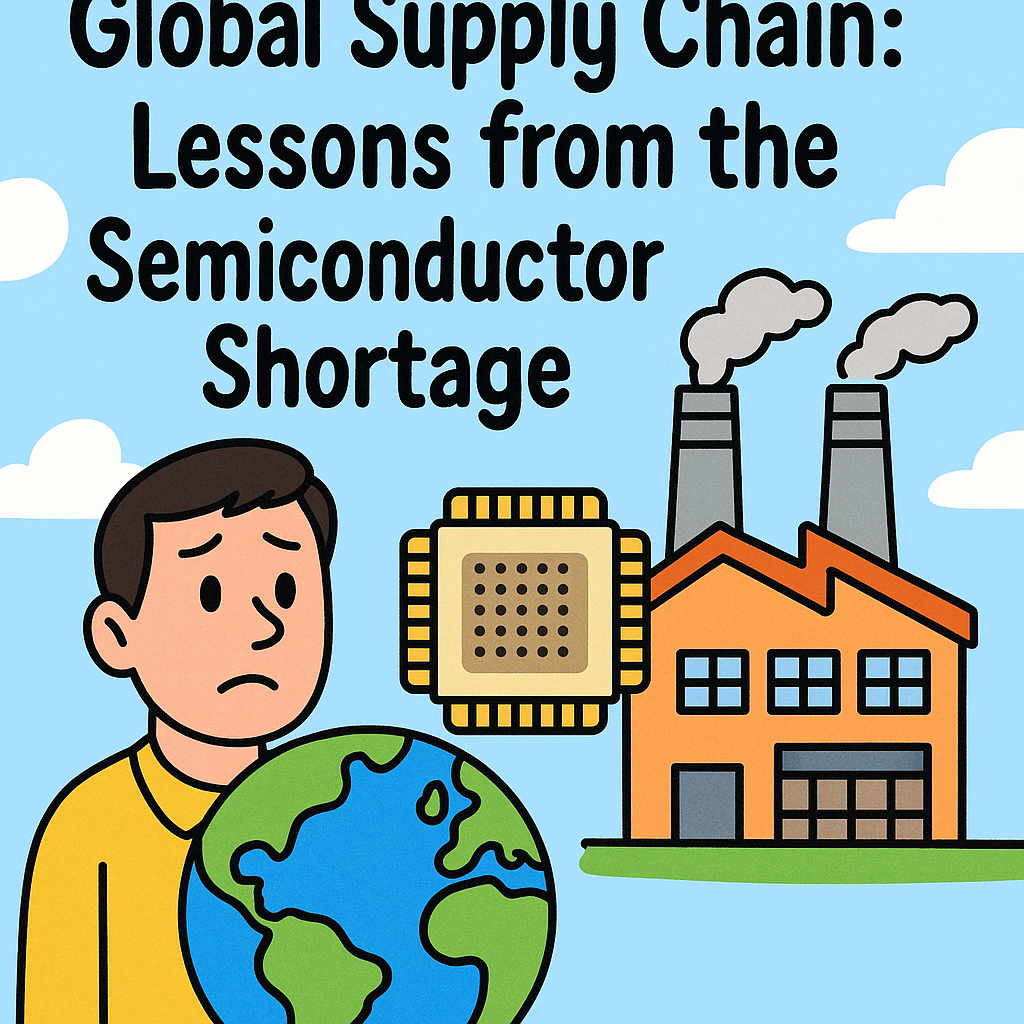
Global Supply Chain: Lessons from the Semiconductor Shortage
Why the Semiconductor Shortage Matters
Semiconductors are critical components in modern industries. They are essential not only for vehicles, smartphones, and computers but also for appliances and medical devices. The recent global semiconductor shortage vividly highlighted vulnerabilities in global supply chains. This article explores key lessons in global supply chain management drawn from the semiconductor shortage.
Causes of the Semiconductor Shortage
The semiconductor shortage resulted from a combination of sudden demand spikes and disrupted supply chains. Key reasons include:
1. COVID-19 Pandemic
The pandemic significantly increased demand for electronics such as laptops, computers, and gaming devices due to remote work and online education, disrupting the balance between supply and demand.
2. Centralized Manufacturing Facilities
Semiconductor production heavily relies on specific companies like TSMC in Taiwan and Samsung in South Korea. Any disruptions in these locations due to natural disasters or geopolitical issues heavily impact global supply.
3. Geopolitical Risks
Geopolitical tensions, such as the U.S.-China trade disputes, introduced uncertainty into the supply chain, directly affecting semiconductor production and distribution.
Vulnerabilities and Lessons Learned
The semiconductor shortage exposed several critical weaknesses in the global supply chain:
1. Excessive Regional Dependency
Relying too heavily on specific regions for production is risky, as localized problems can disrupt the global supply chain.
2. Lack of Supply Chain Flexibility
Supply chains optimized purely for efficiency lack resilience to unexpected crises. Businesses need to balance efficiency with flexibility.
3. Poor Crisis Response Capabilities
Global supply chains often lack preparedness and rapid-response strategies for crises. The importance of crisis management planning and scenario planning has dramatically increased.
Future Global Supply Chain Management Strategies
Companies are adopting new strategies informed by the semiconductor shortage:
1. Supply Chain Diversification
Diversifying supply sources geographically and across suppliers reduces risk and enhances stability.
2. Enhanced Inventory Management
Previously, firms minimized inventory to reduce costs. Now, maintaining sufficient inventory buffers is seen as essential to handle unexpected disruptions.
3. Strengthened Supply Chain Monitoring
Real-time global supply chain monitoring is being implemented to quickly detect and respond to emerging issues.
Conclusion
The semiconductor shortage highlighted broader vulnerabilities within global supply chains, extending beyond a mere component shortage. Companies and countries must leverage these lessons to enhance supply chain resilience and crisis management capabilities, preparing effectively for future challenges.
'경제' 카테고리의 다른 글
| 브렉시트 이후 영국은 정말 잘 살고 있을까? (16) | 2025.05.04 |
|---|---|
| 환율전쟁 vs 무역전쟁, 내 지갑은 어떻게 될까? (23) | 2025.05.04 |
| 독점과 완전경쟁, 시장 구조가 당신의 지갑을 결정한다! (19) | 2025.05.04 |
| 똑같은 서비스인데 가격은 다르다? 가격 차별의 숨겨진 전략! (17) | 2025.05.03 |
| 에어비앤비와 우버는 어떻게 수익을 창출할까? (33) | 2025.05.03 |