
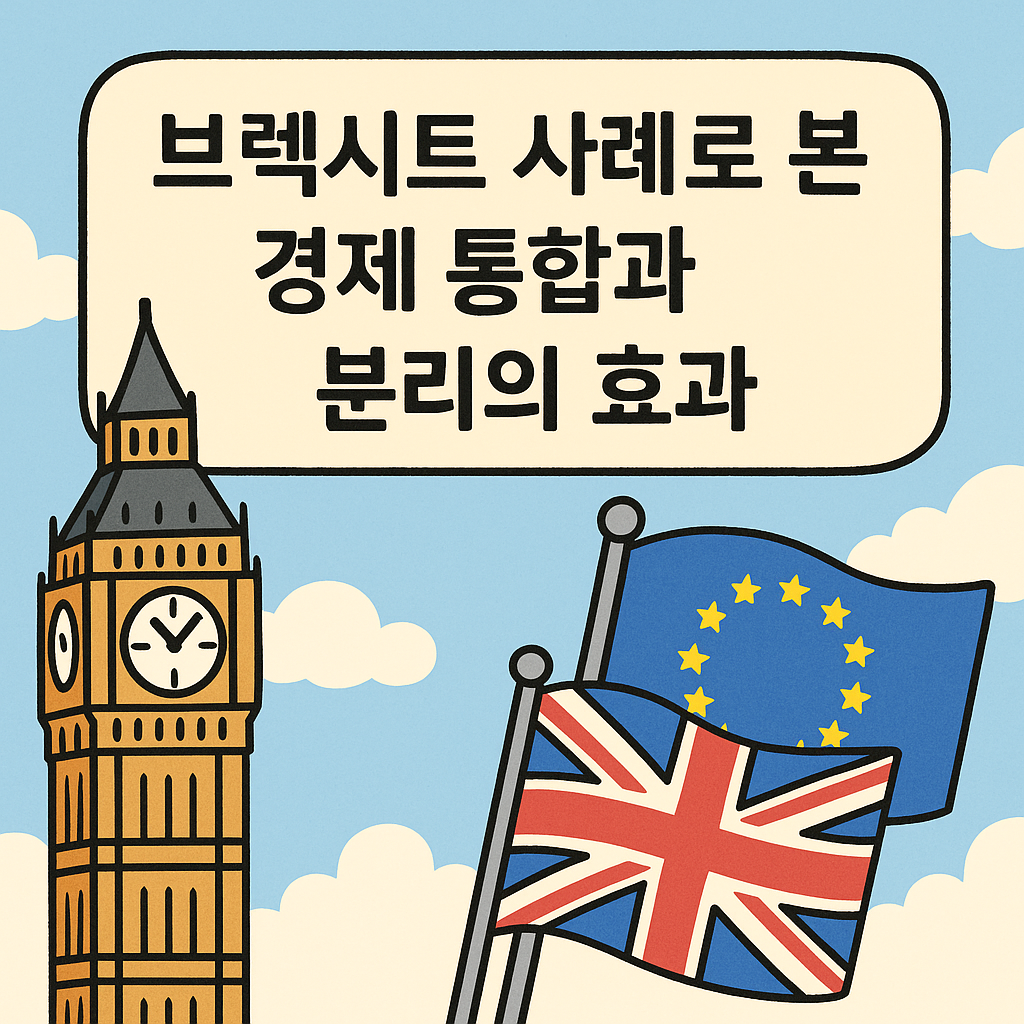
브렉시트 사례로 본 경제 통합과 분리의 효과
브렉시트란 무엇인가?
브렉시트(Brexit)는 영국(Britain)과 탈퇴(Exit)의 합성어로, 영국이 유럽연합(EU)에서 탈퇴한 사건을 의미합니다. 2020년 1월 공식적으로 EU를 떠난 영국의 브렉시트는 경제적 통합과 분리가 국가 경제에 어떤 영향을 미치는지 보여주는 매우 중요한 사례입니다.
이 글에서는 브렉시트가 경제에 미친 구체적인 영향과 함께 경제 통합 및 분리의 효과에 대해 분석합니다.
브렉시트 전후 영국 경제의 변화
브렉시트 결정 이후 영국 경제는 많은 변화를 겪었습니다. 그 주요한 변화는 다음과 같습니다.
1. 무역 장벽의 증가
EU와의 자유무역 협정이 종료되면서, 영국은 관세와 규제 장벽으로 인해 무역 비용이 상승했습니다. 영국 기업들은 유럽으로의 수출에 어려움을 겪었고, 비용 부담이 증가했습니다.
2. 금융 시장의 혼란
브렉시트 이후 금융 중심지였던 런던에서 상당수의 금융 기관들이 EU 회원국으로 이전했습니다. 이로 인해 영국 금융 산업은 위축되었고, 금융시장 변동성은 커졌습니다.
3. 노동 시장의 불확실성 증가
이전까지 EU 내 자유로운 인력 이동이 가능했으나 브렉시트 이후 노동 인력 이동이 제한되면서 인력 부족 현상이 나타났습니다. 특히 건설, 농업, 서비스업 등 일부 산업이 큰 타격을 입었습니다.
경제 통합의 장단점
브렉시트 사례를 통해 경제 통합의 장단점을 확인할 수 있습니다.
장점
- 시장 확대: 통합된 시장에서 자유로운 무역이 가능해지면서 경제적 효율성이 증가합니다.
- 투자 활성화: 시장 안정성과 예측 가능성이 높아져 기업의 투자가 증가합니다.
- 인력의 자유로운 이동: 필요한 곳에 인력이 원활히 공급되어 생산성이 향상됩니다.
단점
- 국가 자율성 축소: 공동 규제를 따라야 하므로 국가의 독자적 정책 결정 권한이 제한됩니다.
- 경제적 충격 공유: 특정 국가의 위기가 다른 국가로 쉽게 전파됩니다.
경제 분리의 장단점
반대로 경제 분리의 장단점은 다음과 같습니다.
장점
- 정책 독립성 증가: 국가가 독립적으로 경제 정책을 결정할 수 있어 국가적 목표에 따라 정책 유연성을 높일 수 있습니다.
- 자국 산업 보호: 독자적인 관세 및 무역 정책을 통해 국내 산업 보호가 가능합니다.
단점
- 경제적 고립 위험: 국제 무역 장벽으로 인해 고립되고 경제 성장이 둔화될 위험이 있습니다.
- 높아진 거래 비용: 관세와 무역 장벽으로 인해 무역과 투자의 비용이 높아져 경쟁력이 저하됩니다.
브렉시트가 주는 글로벌 교훈
브렉시트 사례는 경제 통합과 분리가 국가 경제에 미치는 장기적 영향을 보여주는 대표적 사례입니다. 통합의 이점과 분리의 비용 사이에서 각국은 신중히 선택해야 하며, 경제 정책 결정 시 장기적이고 전략적인 접근이 필요함을 보여줍니다.
특히 글로벌 경제 환경에서 개방성과 통합이 경제 성장에 중요한 영향을 미친다는 것을 명확히 보여주는 사례가 되었습니다.
결론
브렉시트는 경제 통합과 분리의 실제적 효과를 이해할 수 있는 중요한 사건이었습니다. 앞으로 다른 국가들도 경제 통합 또는 분리 결정을 내릴 때 브렉시트 사례를 참고하여 전략적이고 장기적인 경제 정책 결정을 내려야 합니다.
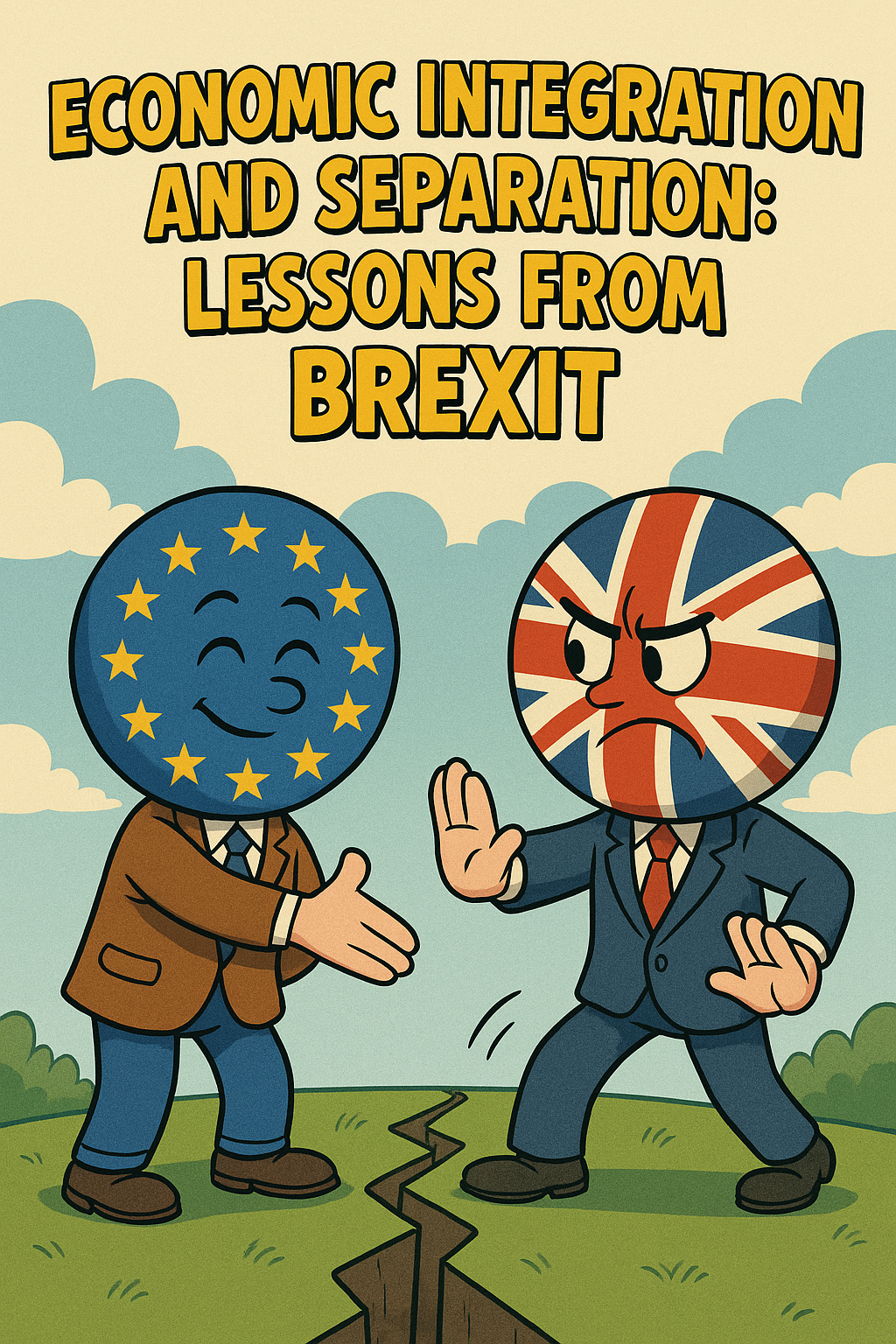
Economic Integration and Separation: Lessons from Brexit
What is Brexit?
Brexit, a combination of "Britain" and "Exit," refers to the United Kingdom's withdrawal from the European Union (EU). Officially completed in January 2020, Brexit serves as an essential example of the economic impacts associated with integration and separation.
In this article, we analyze Brexit's detailed economic impacts, highlighting both the advantages and disadvantages of economic integration and separation.
Economic Changes in the UK Before and After Brexit
The UK economy has faced significant changes since the Brexit decision, including:
1. Increased Trade Barriers
Ending free trade with the EU introduced tariffs and regulatory barriers, increasing trade costs and creating significant export challenges for UK businesses.
2. Financial Market Disruption
London’s prominence as a financial hub diminished post-Brexit, as many financial institutions relocated to EU member states, increasing volatility and contracting the financial sector.
3. Increased Labor Market Uncertainty
Restrictions on labor mobility led to labor shortages, particularly affecting construction, agriculture, and the service sectors.
Pros and Cons of Economic Integration
Brexit clearly highlights the pros and cons of economic integration:
Advantages
- Expanded Markets: Free trade in integrated markets increases economic efficiency.
- Increased Investment: Stability and predictability attract investment.
- Labor Mobility: Improved productivity from effective labor distribution.
Disadvantages
- Reduced National Autonomy: Countries must adhere to joint regulations, limiting independent policy decisions.
- Shared Economic Risks: Economic shocks in one country can quickly spread to others.
Pros and Cons of Economic Separation
Conversely, economic separation presents its own set of advantages and disadvantages:
Advantages
- Increased Policy Autonomy: Independent economic policy-making enhances flexibility to pursue national goals.
- Protection of Domestic Industries: Ability to implement tariffs and trade policies independently to protect local industries.
Disadvantages
- Risk of Economic Isolation: Higher barriers can lead to isolation and slower economic growth.
- Higher Transaction Costs: Tariffs and barriers increase costs, reducing competitiveness.
Global Lessons from Brexit
Brexit illustrates the long-term impacts of economic integration and separation. Countries must carefully weigh the benefits of integration against the costs of separation, taking a strategic and long-term approach to economic policymaking.
The Brexit experience underscores the significance of openness and integration in fostering global economic growth.
Conclusion
Brexit serves as a critical lesson in understanding the real-world impacts of economic integration and separation. Future economic decisions by other nations should carefully consider Brexit's outcomes to guide strategic and sustainable economic policy choices.
'경제' 카테고리의 다른 글
| 열심히 일하면 정말 월급이 오를까? 노동 생산성의 비밀 (19) | 2025.05.05 |
|---|---|
| 고령화·저출산 시대, 소비 시장이 완전히 달라진다! (18) | 2025.05.05 |
| 환율전쟁 vs 무역전쟁, 내 지갑은 어떻게 될까? (23) | 2025.05.04 |
| 자동차에서 게임기까지 멈췄다! 반도체 쇼티지가 드러낸 글로벌 공급망의 진실 (18) | 2025.05.04 |
| 독점과 완전경쟁, 시장 구조가 당신의 지갑을 결정한다! (19) | 2025.05.04 |