
노동 생산성 향상과 임금의 상관관계
노동 생산성, 왜 중요할까?
노동 생산성(Labor Productivity)은 노동자가 일정 시간 동안 생산하는 재화와 서비스의 양을 의미합니다. 노동 생산성이 높을수록 기업의 생산성이 증가하고, 일반적으로 임금 수준도 올라갑니다. 그러나 과연 노동 생산성 향상이 무조건적으로 임금 상승으로 이어질까요? 이 글에서 노동 생산성과 임금 간의 상관관계를 명확하게 분석해 보겠습니다.

노동 생산성이 임금에 미치는 영향
노동 생산성과 임금 사이에는 다음과 같은 밀접한 관계가 존재합니다.
1. 임금 인상의 근거 제공
노동자의 생산성이 증가하면 기업은 이익을 더 많이 창출하게 되고, 이로 인해 노동자에게 높은 임금을 지급할 수 있는 여유가 생깁니다.
2. 임금 협상력 강화
생산성이 높은 노동자는 기업 내 협상력이 강해집니다. 이는 임금 협상에서 더 유리한 위치를 확보하게 해줍니다.
3. 임금 불평등 완화 가능성
전체적으로 노동 생산성이 높아지면 저임금 노동자의 생산성도 상승하여 임금 불평등이 줄어드는 효과를 기대할 수 있습니다.
노동 생산성이 반드시 임금을 올리지 않는 이유
하지만 노동 생산성 증가가 반드시 임금 상승으로 이어지지는 않는 이유도 있습니다.
1. 기업의 이익 배분 방식
기업이 노동 생산성 향상으로 얻은 이익을 노동자 임금으로 환원하지 않고 주주 배당금이나 설비 투자에 집중할 경우, 노동자 임금은 정체될 수 있습니다.
2. 기술 발전과 자동화
생산성 향상이 주로 기술 발전과 자동화에 기인하는 경우, 일부 노동자들은 오히려 실업이나 낮은 임금의 위협에 처할 수 있습니다.
3. 노동 시장 구조의 문제
비정규직이나 계약직 노동자가 많은 환경에서는 생산성 향상이 정규직 근로자에 비해 임금 상승으로 이어지기 어렵습니다.
노동 생산성과 임금 상승을 연결하기 위한 정책 방향
생산성 향상이 임금으로 연결되기 위해서는 다음과 같은 정책적 노력이 필요합니다.
- 공정한 이익 배분 구조 마련: 기업의 이익 증가분이 임금 상승으로 연결될 수 있도록 제도적으로 보장합니다.
- 노동자 재교육과 기술 훈련: 생산성 증가를 이끄는 기술 변화에 노동자들이 적응할 수 있도록 재교육 프로그램을 적극 지원합니다.
- 노동 시장 안정화 정책: 비정규직 노동자의 정규직 전환 및 노동 안정성을 높이는 정책을 추진합니다.
결론
노동 생산성과 임금 간에는 명확한 상관관계가 있지만, 반드시 비례하는 관계는 아닙니니다. 기업과 정부는 생산성 증가의 혜택이 노동자들에게 공정히 돌아갈 수 있도록 적극적인 정책적 대응이 필요합니다. 노동 생산성 향상과 임금 상승의 선순환 구조를 만드는 것이 모두가 더 나은 경제적 성장을 이루는 길입니다.
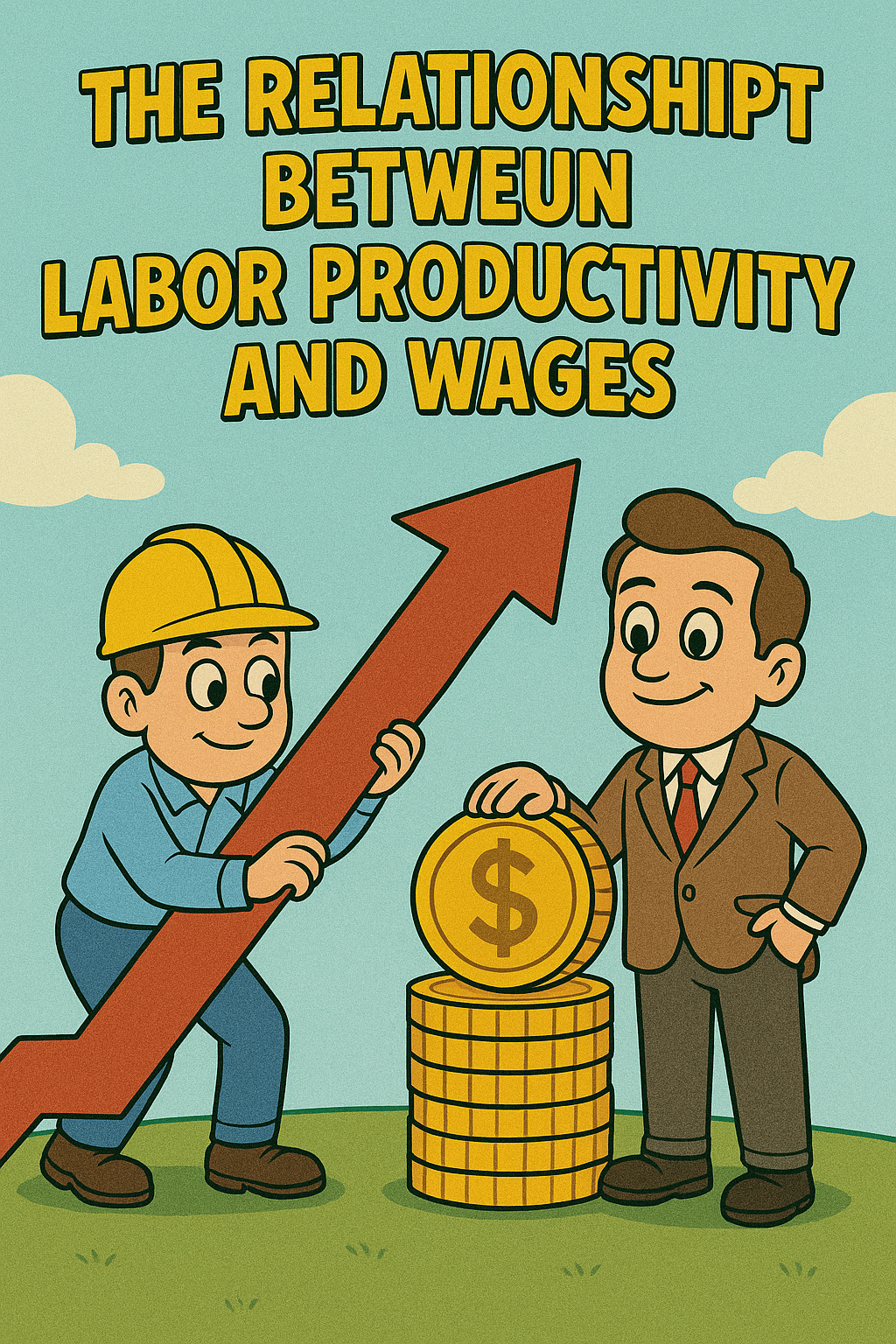
The Relationship Between Labor Productivity and Wages
Why Does Labor Productivity Matter?
Labor productivity refers to the amount of goods and services produced by a worker in a given time. Higher labor productivity generally boosts corporate profitability and, typically, wages. But does increased productivity always translate into higher wages? Let's clearly analyze the relationship between labor productivity and wages.
How Labor Productivity Influences Wages
Labor productivity and wages have a close relationship:
1. Basis for Wage Increases
Higher productivity allows businesses to generate greater profits, creating the financial capacity to pay higher wages.
2. Enhanced Wage Negotiation Power
Productive workers have stronger bargaining power, enabling them to negotiate higher wages effectively.
3. Potential to Reduce Wage Inequality
As overall productivity rises, low-wage workers can also see productivity improvements, potentially reducing wage inequality.
Reasons Higher Productivity Doesn't Always Mean Higher Wages
However, increased productivity doesn't always lead directly to wage increases, due to:
1. Corporate Profit Distribution Practices
If businesses prioritize dividends or capital investments over wage increases, workers' wages may stagnate despite higher productivity.
2. Technological Advancement and Automation
When productivity gains result mainly from technological advancements and automation, some workers may face unemployment or reduced wages.
3. Labor Market Structural Issues
In labor markets dominated by non-regular or contract-based employment, productivity improvements rarely translate into wage hikes comparable to those enjoyed by regular employees.
Policies Linking Productivity and Wage Growth
To ensure that productivity improvements translate into higher wages, policy initiatives should:
- Ensure Fair Profit Distribution: Implement systems ensuring productivity gains result in fair wage increases.
- Support Worker Retraining and Technological Adaptation: Provide robust training programs to help workers adapt to technological advancements driving productivity.
- Stabilize Labor Market Conditions: Promote policies to convert temporary positions to stable, regular employment, thus enhancing wage growth.
Conclusion
While labor productivity clearly relates to wage levels, the relationship isn't strictly proportional. Businesses and governments must actively ensure that productivity gains benefit workers fairly. Creating a virtuous cycle between productivity growth and wage increases is key to sustainable economic prosperity for everyone involved.
'경제' 카테고리의 다른 글
| 플랫폼 노동이 세상을 바꾸고 있다: 긱 이코노미의 모든 것 (22) | 2025.05.05 |
|---|---|
| 최저임금 인상의 진실: 고용에 미치는 영향 총정리 (20) | 2025.05.05 |
| 고령화·저출산 시대, 소비 시장이 완전히 달라진다! (18) | 2025.05.05 |
| 브렉시트 이후 영국은 정말 잘 살고 있을까? (16) | 2025.05.04 |
| 환율전쟁 vs 무역전쟁, 내 지갑은 어떻게 될까? (23) | 2025.05.04 |