
환율전쟁과 무역전쟁이 경제에 미치는 파장
환율전쟁과 무역전쟁이란?
세계 경제를 이해할 때 반드시 알아야 할 두 가지 키워드는 바로 **환율전쟁(Currency War)**과 **무역전쟁(Trade War)**입니다. 환율전쟁은 자국의 수출 경쟁력을 높이기 위해 환율을 인위적으로 조정하는 국가 간의 경쟁을 의미하며, 무역전쟁은 국가 간에 관세 부과나 수입 규제 등 무역 장벽을 높이는 갈등을 뜻합니다.
이 두 전쟁은 국가 간 경제 갈등의 주요 수단이 되며, 그 영향력은 세계 경제 전체에 파장을 일으킬 수 있습니다. 이 글에서는 두 전쟁이 경제에 미치는 영향과 그 파장에 대해 자세히 분석하겠습니다.
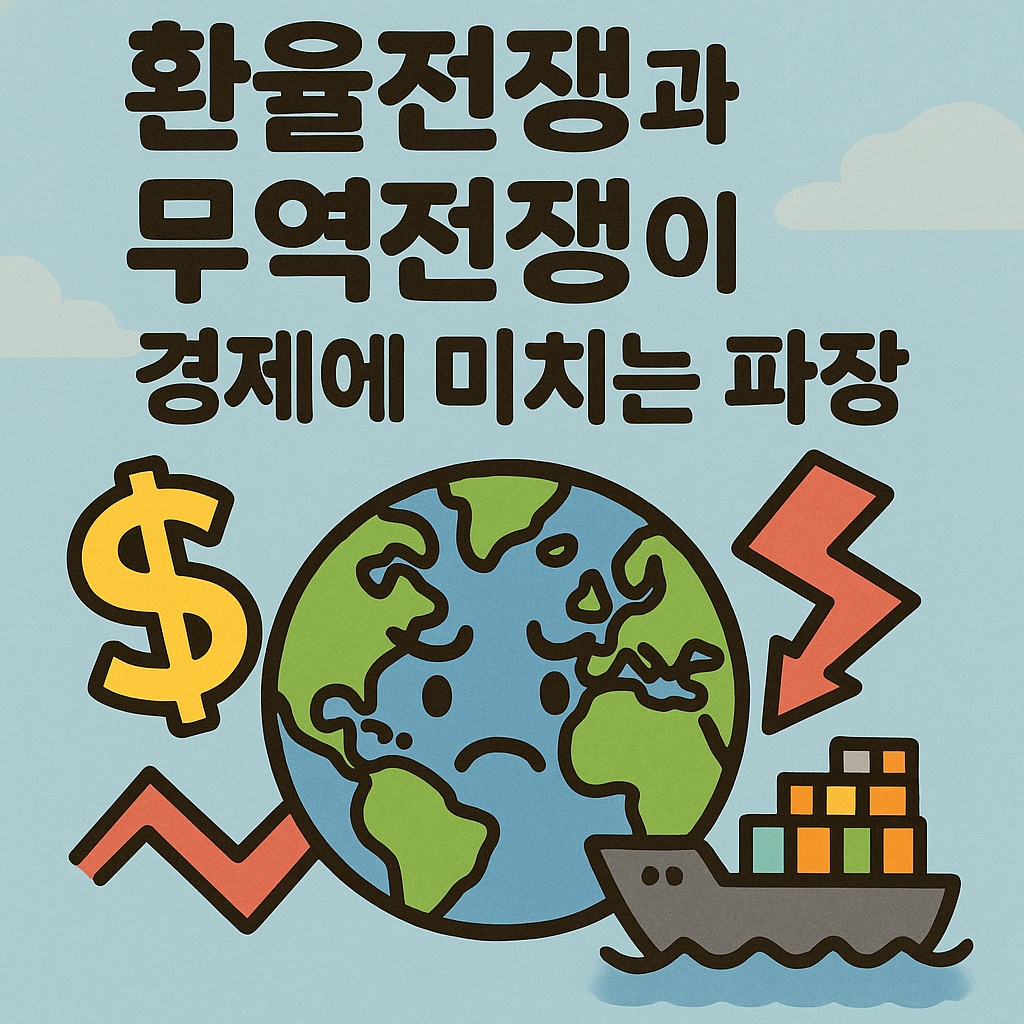
환율전쟁의 특징과 경제적 영향
환율전쟁은 주로 국가들이 자국의 통화 가치를 낮춰 수출 경쟁력을 확보하는 방식으로 진행됩니다.
주요 특징
- 자국 통화 가치 하락 유도
- 수출 증대와 무역수지 개선 목적
- 경쟁국과의 갈등 유발
경제적 파장
- 단기적 수출 증가: 자국 제품 가격 경쟁력 향상으로 수출 증가 효과가 발생합니다.
- 수입물가 상승: 자국 통화가치 하락으로 수입 비용이 높아져 국내 물가 상승(인플레이션)이 발생할 수 있습니다.
- 글로벌 경제 불확실성 확대: 국가 간 경쟁이 심화될수록 경제 불확실성이 증가하고 글로벌 금융시장에 악영향을 줄 수 있습니다.
무역전쟁의 특징과 경제적 영향
무역전쟁은 국가가 상대 국가 제품에 고율의 관세를 부과하거나 수입 제한을 설정하여 상대국을 압박하는 방식으로 진행됩니다.
주요 특징
- 높은 관세 부과 및 비관세 장벽 설정
- 상대국에 대한 경제적 보복 조치
- 국제 통상 질서의 혼란 야기
경제적 파장
- 무역량 감소 및 경기 둔화: 국가 간 무역 장벽이 높아지면 국제 무역량이 감소하고 글로벌 경제 성장률이 둔화될 수 있습니다.
- 소비자 부담 증가: 관세 부과로 수입 상품 가격이 상승하면 소비자 부담이 증가합니다.
- 기업 불확실성 증가: 국제 무역 환경의 불확실성이 높아져 기업의 투자와 생산 활동이 위축될 수 있습니다.
환율전쟁과 무역전쟁의 결합이 가져오는 파장
환율전쟁과 무역전쟁이 동시에 발생하면 글로벌 경제는 더 큰 혼란에 빠질 수 있습니다.
- 글로벌 경기 침체 위험 증가: 환율 조정과 무역 장벽이 동시에 일어나면 세계 경기 침체의 가능성이 커집니다.
- 금융시장 변동성 확대: 글로벌 금융시장에서는 환율 급등락과 주가 변동성이 심화되며, 투자자들의 리스크 관리가 어려워집니다.
- 국제 관계 악화: 경제적 갈등이 정치적 갈등으로 확장되어 국제적 긴장이 높아질 가능성이 있습니다.
환율전쟁과 무역전쟁에 대한 대응 전략
국가와 기업들은 다음과 같은 전략을 통해 환율전쟁과 무역전쟁의 리스크를 관리할 수 있습니다.
- 다변화된 시장 개척: 특정 국가에 대한 의존도를 낮추고 다양한 시장을 개척하여 리스크를 분산합니다.
- 환 리스크 관리 강화: 환율 변동성을 관리하는 환 리스크 헤징 전략을 적극적으로 활용합니다.
- 공급망 유연성 확보: 공급망을 다변화하여 무역장벽과 같은 리스크에 신속히 대응할 수 있도록 준비합니다.
결론
환율전쟁과 무역전쟁은 글로벌 경제의 불확실성을 증가시키고, 국가와 기업, 소비자 모두에게 심각한 영향을 미칩니다. 각 주체는 이러한 위험을 사전에 인지하고, 전략적 대응 방안을 구축하는 것이 필수적입니다. 앞으로의 글로벌 경제 흐름을 파악하고 대응력을 높이는 것이 어느 때보다 중요해진 시대입니다.
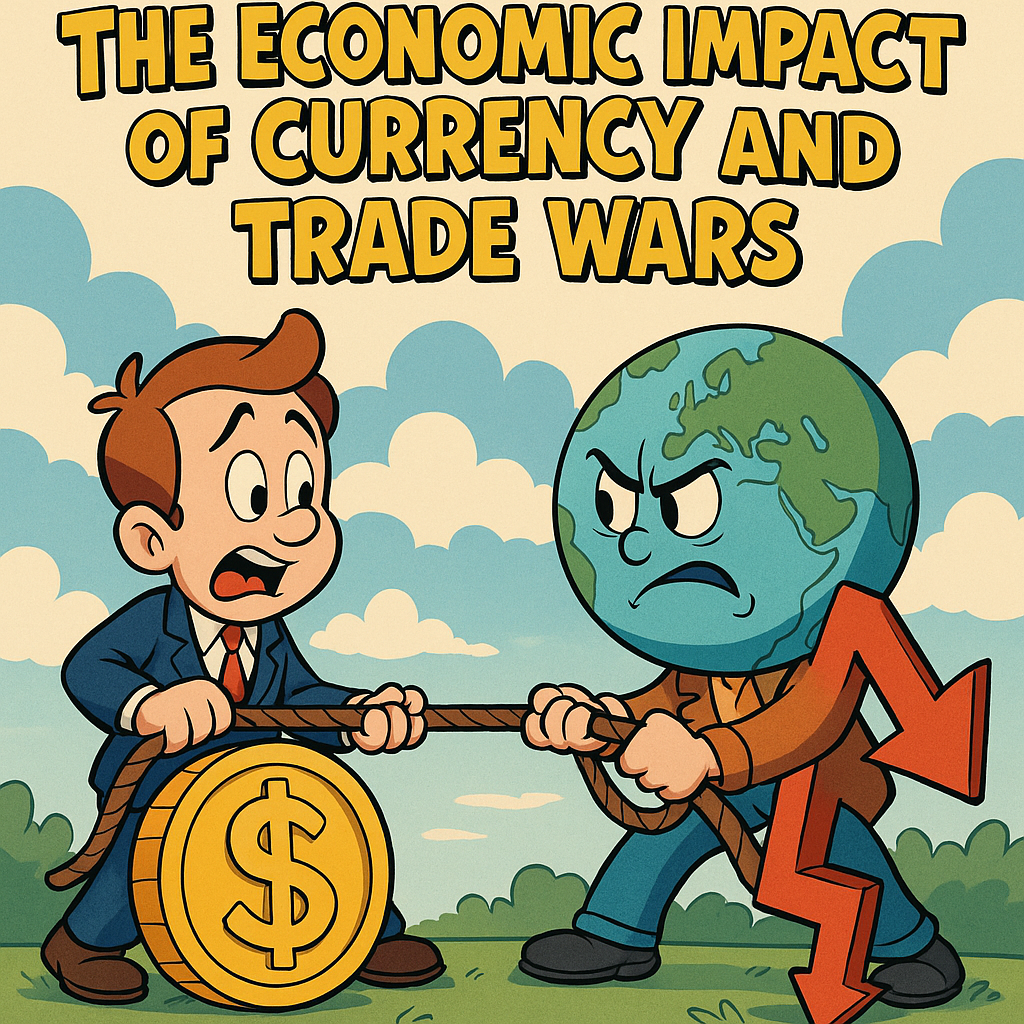
The Economic Impact of Currency and Trade Wars
Understanding Currency and Trade Wars
Two key concepts essential for understanding global economics are Currency Wars and Trade Wars. Currency wars involve competitive devaluations of national currencies to boost exports, while trade wars refer to conflicts where countries impose tariffs and trade barriers against each other.
These two types of conflicts serve as major economic weapons between nations, capable of sending ripple effects throughout the global economy. In this article, we'll analyze the economic impacts and implications of these conflicts in detail.
Features and Economic Effects of Currency Wars
Currency wars primarily occur when countries intentionally lower their currency's value to enhance export competitiveness.
Key Features:
- Intentional currency devaluation
- Boost exports and improve trade balances
- Intensify tensions with competitor nations
Economic Impacts:
- Short-term Export Growth: Enhanced price competitiveness boosts exports temporarily.
- Increased Import Costs: Devalued currency makes imports more expensive, potentially leading to inflation.
- Increased Global Economic Uncertainty: Heightened competition exacerbates economic uncertainty and instability in global financial markets.
Features and Economic Effects of Trade Wars
Trade wars involve imposing high tariffs or trade barriers to economically pressure opposing countries.
Key Features:
- High tariffs and non-tariff barriers
- Economic retaliations against opposing countries
- Disruption of global trade norms
Economic Impacts:
- Reduced Trade and Economic Slowdown: Increased barriers diminish global trade volumes, potentially slowing global economic growth.
- Increased Consumer Burden: Tariffs raise import prices, directly impacting consumers.
- Increased Corporate Uncertainty: Heightened uncertainty in international trade environments discourages business investments and production.
Combined Impact of Currency and Trade Wars
When currency and trade wars occur simultaneously, the global economy faces heightened instability.
- Increased Risk of Global Recession: Concurrent currency manipulation and trade barriers raise the probability of global recession.
- Heightened Financial Market Volatility: Intensified fluctuations in currency and stock markets complicate risk management for investors.
- Deterioration of International Relations: Economic conflicts can escalate into political tensions, worsening international relations.
Strategies for Managing Currency and Trade War Risks
Countries and companies can adopt the following strategies to mitigate these risks:
- Diversifying Markets: Reduce dependency on a single country by exploring diverse markets.
- Enhanced Currency Risk Management: Utilize hedging strategies to manage currency volatility.
- Supply Chain Flexibility: Diversify supply chains to rapidly respond to trade barriers and disruptions.
Conclusion
Currency and trade wars amplify global economic uncertainty and have severe impacts on nations, businesses, and consumers. Recognizing these risks and proactively establishing strategic responses are critical for navigating and managing future global economic challenges effectively.
'경제' 카테고리의 다른 글
| 고령화·저출산 시대, 소비 시장이 완전히 달라진다! (18) | 2025.05.05 |
|---|---|
| 브렉시트 이후 영국은 정말 잘 살고 있을까? (16) | 2025.05.04 |
| 자동차에서 게임기까지 멈췄다! 반도체 쇼티지가 드러낸 글로벌 공급망의 진실 (18) | 2025.05.04 |
| 독점과 완전경쟁, 시장 구조가 당신의 지갑을 결정한다! (19) | 2025.05.04 |
| 똑같은 서비스인데 가격은 다르다? 가격 차별의 숨겨진 전략! (17) | 2025.05.03 |