
인구 구조 변화(고령화·저출산)가 소비 패턴에 끼치는 영향
인구 구조 변화가 중요한 이유
최근 한국을 포함한 많은 선진국에서 고령화와 저출산 현상이 심화되고 있습니다. 이러한 인구 구조의 변화는 단순히 인구 수의 감소만을 의미하지 않고, 소비 시장과 경제 전반에 큰 영향을 미칩니다. 이번 글에서는 인구 구조의 변화가 소비 패턴에 구체적으로 어떤 영향을 주는지 자세히 살펴보겠습니다.

고령화 시대, 소비 패턴 변화
고령화는 전체 인구에서 노년층의 비율이 높아지는 현상을 말합니다. 노인 인구 증가로 인해 나타나는 소비 패턴 변화는 다음과 같습니다.
1. 의료 및 건강 관련 소비 증가
고령층이 늘어나면서 의료 서비스와 건강 관리 제품에 대한 소비가 급격히 증가합니다. 병원, 약국뿐 아니라 건강보조식품, 운동 관련 용품 시장이 확대됩니다.
2. 실버 산업의 활성화
노년층을 위한 다양한 상품과 서비스 시장이 성장합니다. 대표적으로 요양 서비스, 실버 주택, 노인용품 등 실버 산업이 활기를 띄게 됩니다.
3. 안전과 편의 중심의 소비 증가
노년층 소비자는 가격보다는 품질과 안전성, 편의성을 중시합니다. 이에 따라 프리미엄 가전, 간편식품, 안전 장치 제품의 수요가 증가합니다.
저출산 시대, 소비 패턴 변화
저출산은 출산율 감소로 유아와 청소년 인구가 감소하는 현상입니다. 이에 따른 소비 시장 변화는 다음과 같습니다.
1. 아동 및 교육 시장의 축소
출산율 감소로 인해 아동용품, 유아교육 시장은 축소되며 관련 산업들은 새로운 시장 전략을 마련해야 합니다.
2. 고품질·고가 육아 용품 선호
자녀 수가 줄어들면 부모가 자녀 한 명당 지출하는 비용은 상대적으로 증가합니다. 이에 따라 프리미엄급 육아 용품과 교육 서비스가 각광받게 됩니다.
3. 1인 가구·소형 가구 중심 소비 증가
출산율 감소는 가구 규모의 축소로 이어지며, 소형 가전, 소포장 식품, 편의성을 강조한 제품의 소비가 증가하게 됩니다.
인구 구조 변화에 따른 기업의 대응 전략
기업들은 이러한 인구 구조 변화에 전략적으로 대응해야 합니다. 다음과 같은 전략이 중요합니다.
- 시장 타겟 전환: 고령층 대상 제품 및 서비스를 적극적으로 개발합니다.
- 제품 및 서비스의 다양화: 프리미엄 제품과 안전성, 편의성을 강화한 제품 라인을 확대합니다.
- 1인 가구 특화 상품 개발: 소포장, 간편식 등 소규모 가구를 위한 제품 개발을 강화합니다.
인구 변화에 따른 정부 정책 변화
정부 역시 인구 구조 변화에 대응하기 위해 다양한 정책을 추진합니다.
- 출산 장려 정책: 저출산 극복을 위한 다양한 지원책을 마련하여 출산율을 높이는 노력을 합니다.
- 노인 복지 강화: 고령층을 위한 사회 안전망 확충, 의료 서비스 강화 등 노인 친화적 정책을 확대합니다.
결론
인구 구조 변화는 소비 패턴을 근본적으로 변화시키고 있습니다. 기업과 정부, 그리고 개인 모두가 이 변화를 미리 파악하고 적극적으로 대응하는 것이 중요합니다. 고령화·저출산 시대를 맞아 시장 변화에 신속히 대응하는 전략적 자세가 요구됩니다.
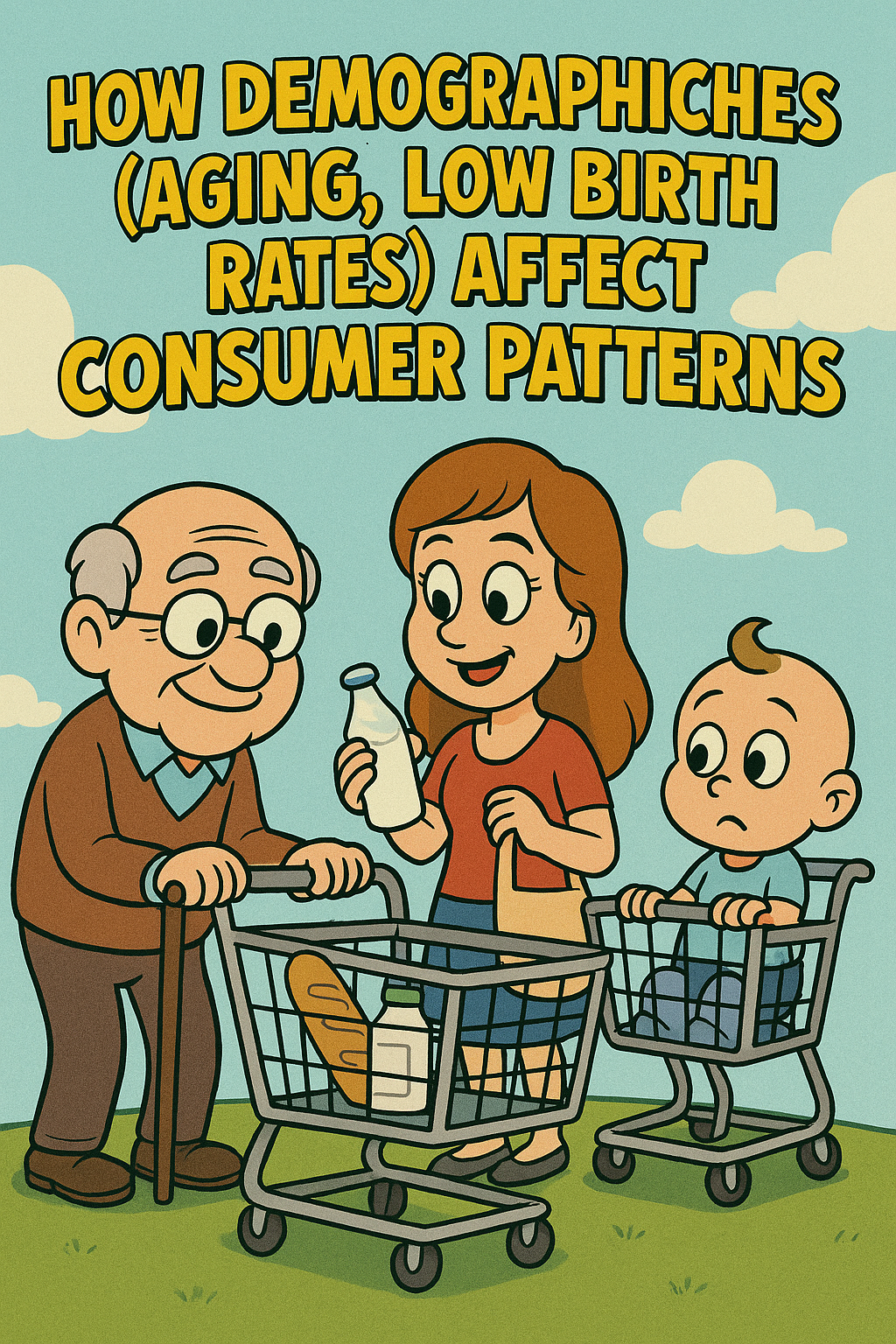
How Demographic Changes (Aging, Low Birth Rates) Affect Consumer Patterns
Why Demographic Changes Matter
Many developed countries, including South Korea, are experiencing rapid demographic shifts marked by aging populations and low birth rates. These changes significantly impact consumer markets and the broader economy, beyond just reducing population size. This article examines precisely how demographic shifts influence consumer behavior and market dynamics.
Changes in Consumer Patterns Due to Aging
An aging population refers to an increase in the proportion of elderly individuals. Key shifts in consumption patterns due to an aging society include:
1. Increased Healthcare Spending
With more elderly people, demand for healthcare services and wellness products surges, expanding markets for hospitals, pharmacies, supplements, and fitness equipment.
2. Growth of the Silver Economy
The market for products and services catering specifically to older adults—such as eldercare services, senior housing, and specialized elderly products—is expanding rapidly.
3. Focus on Safety and Convenience
Older consumers prioritize quality, safety, and convenience over price. Premium appliances, easy-to-use products, and safety devices see increased demand.
Changes in Consumer Patterns Due to Low Birth Rates
Low birth rates lead to declining youth populations, reshaping related consumer markets:
1. Shrinking Childcare and Education Markets
Lower birth rates reduce demand for children's products and educational services, forcing industries to adapt new market strategies.
2. Preference for High-End Childcare Products
With fewer children, parents tend to invest more per child, increasing demand for premium childcare products and educational services.
3. Rise of Single-Person and Small Households
Declining birth rates result in smaller households, driving demand for compact appliances, single-serving foods, and convenience-oriented products.
Corporate Strategies for Demographic Shifts
Companies must strategically respond to these demographic trends:
- Market Reorientation: Develop products and services tailored specifically to elderly consumers.
- Diversification of Products and Services: Expand premium and convenience-focused product lines to meet changing consumer preferences.
- Specialized Products for Single-Person Households: Enhance offerings such as small-sized packages and convenience foods to accommodate smaller households.
Government Policy Responses
Governments are implementing policies to address demographic shifts:
- Encouraging Childbirth: Policies supporting families to raise birth rates.
- Enhancing Elderly Welfare: Strengthening social safety nets, healthcare, and elderly-friendly policies to support the aging population.
Conclusion
Demographic shifts fundamentally reshape consumer patterns. Businesses, governments, and individuals must recognize and proactively respond to these changes. Adopting strategic measures is essential for navigating the new consumer landscape shaped by aging populations and low birth rates.
'경제' 카테고리의 다른 글
| 최저임금 인상의 진실: 고용에 미치는 영향 총정리 (20) | 2025.05.05 |
|---|---|
| 열심히 일하면 정말 월급이 오를까? 노동 생산성의 비밀 (19) | 2025.05.05 |
| 브렉시트 이후 영국은 정말 잘 살고 있을까? (16) | 2025.05.04 |
| 환율전쟁 vs 무역전쟁, 내 지갑은 어떻게 될까? (23) | 2025.05.04 |
| 자동차에서 게임기까지 멈췄다! 반도체 쇼티지가 드러낸 글로벌 공급망의 진실 (18) | 2025.05.04 |